
Rooted in connection and coastal rhythms, we’re here to walk beside you one word, one sound, one success at a time.
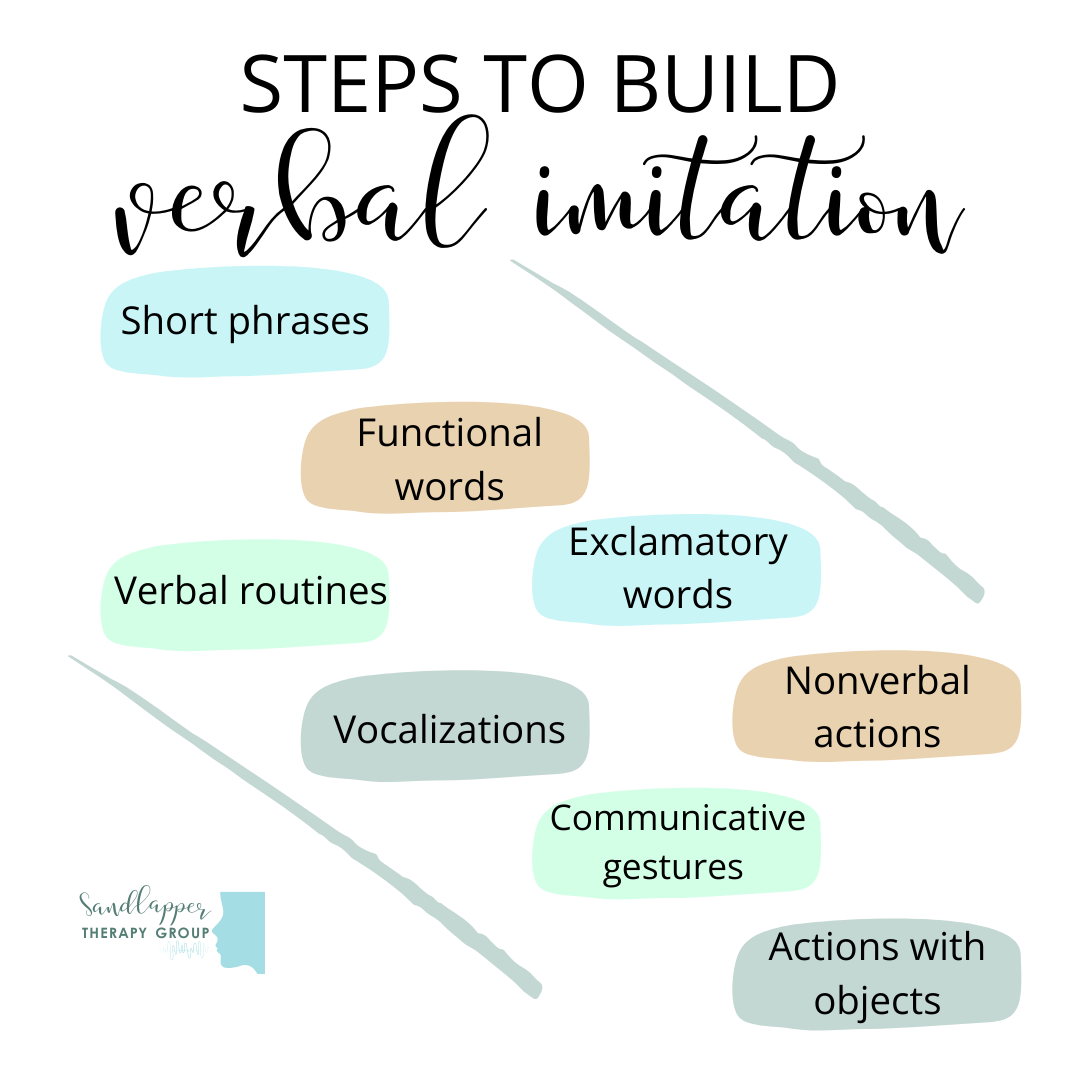
Steps to Build Verbal Imitation in Children: A Speech Therapy Guide for Parents
Speech therapy guide to verbal imitation: from gestures and sounds to first words and short phrases.
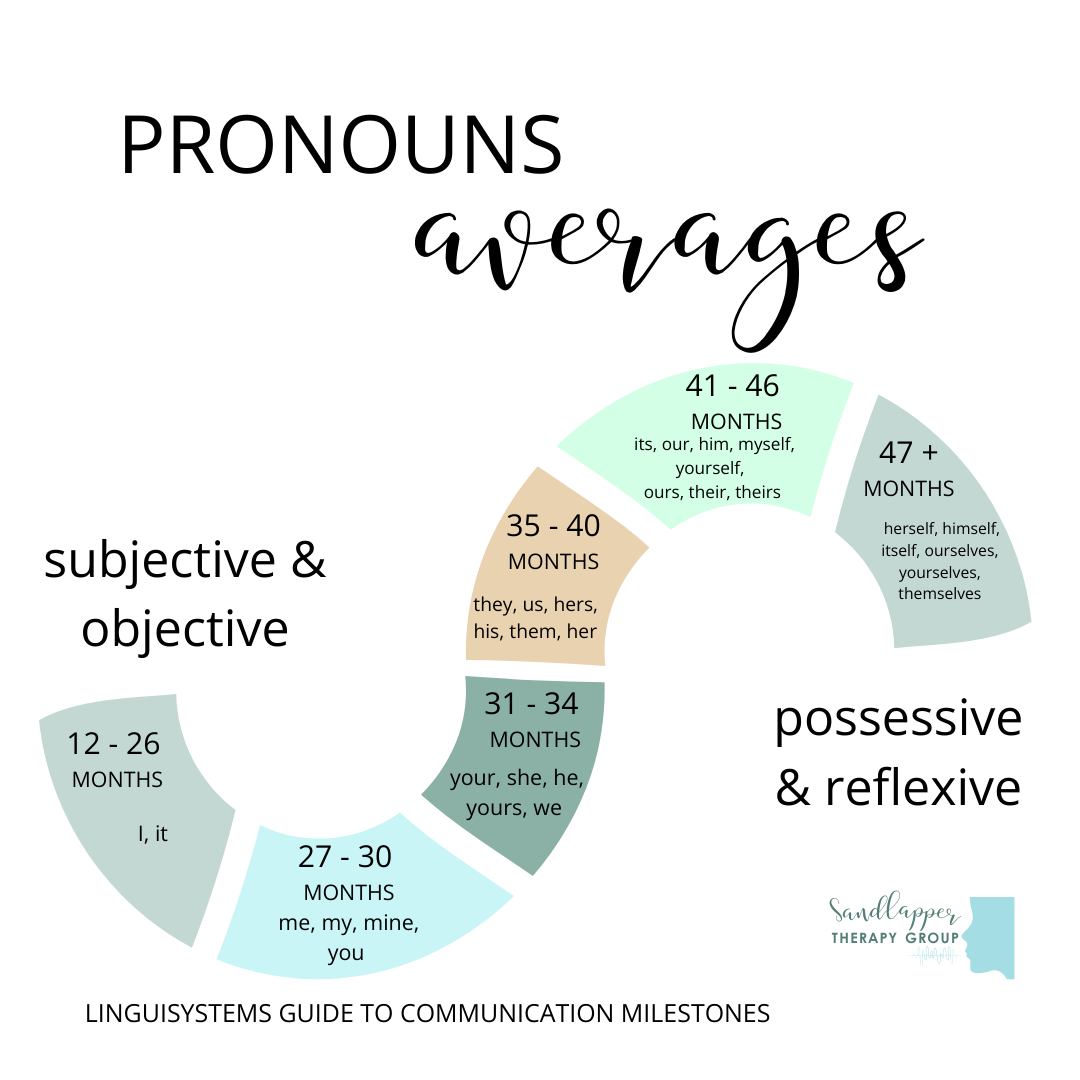
Pronoun Development Milestones: When Do Children Learn “I,” “Me,” “Mine,” and More?
Learn when children develop pronouns like I, me, mine, and they—and when delays may require a speech evaluation.
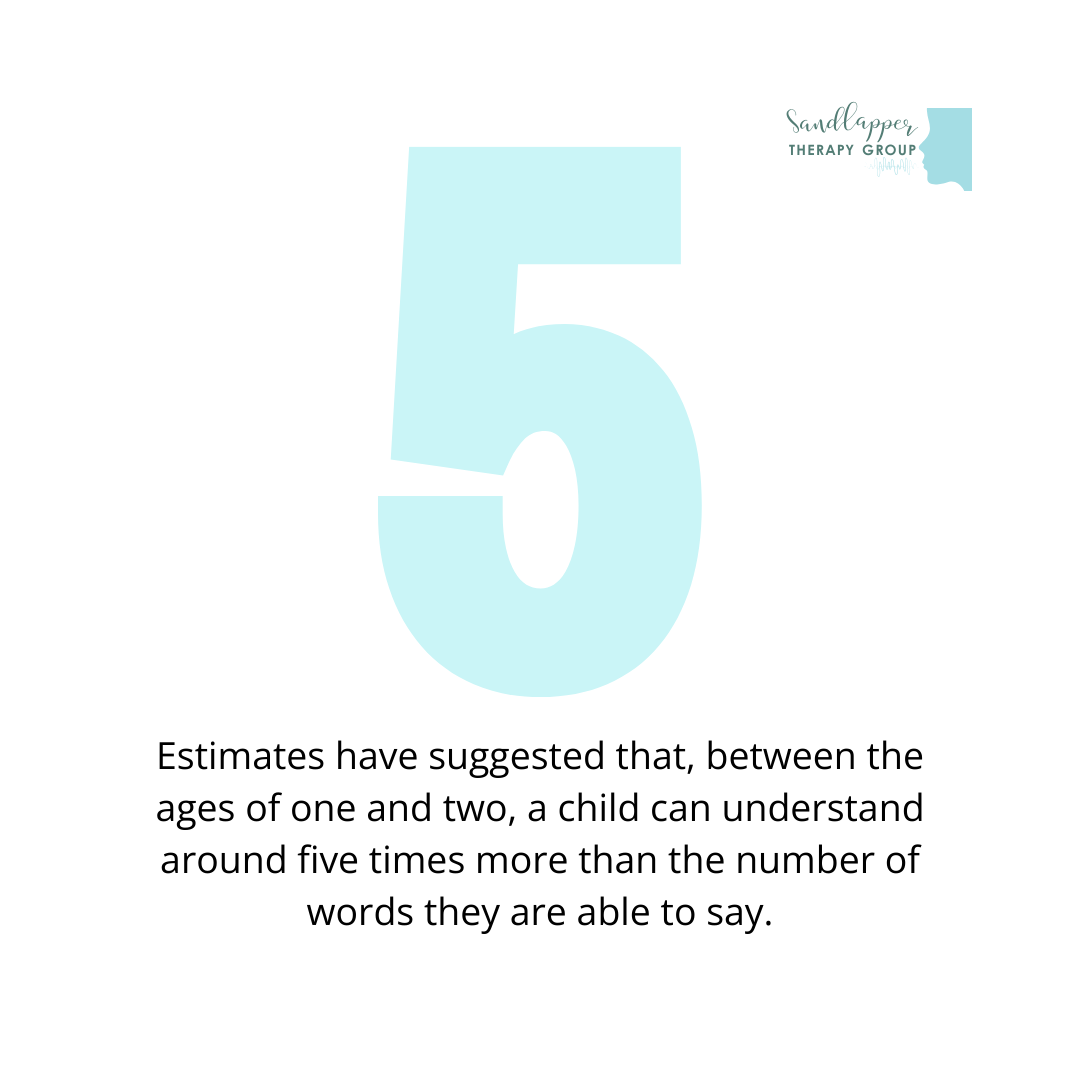
Why Toddlers Understand More Than They Can Say: The 5x Vocabulary Rule
Learn why toddlers understand more than they can say and what the 5x vocabulary rule means for speech and language development.
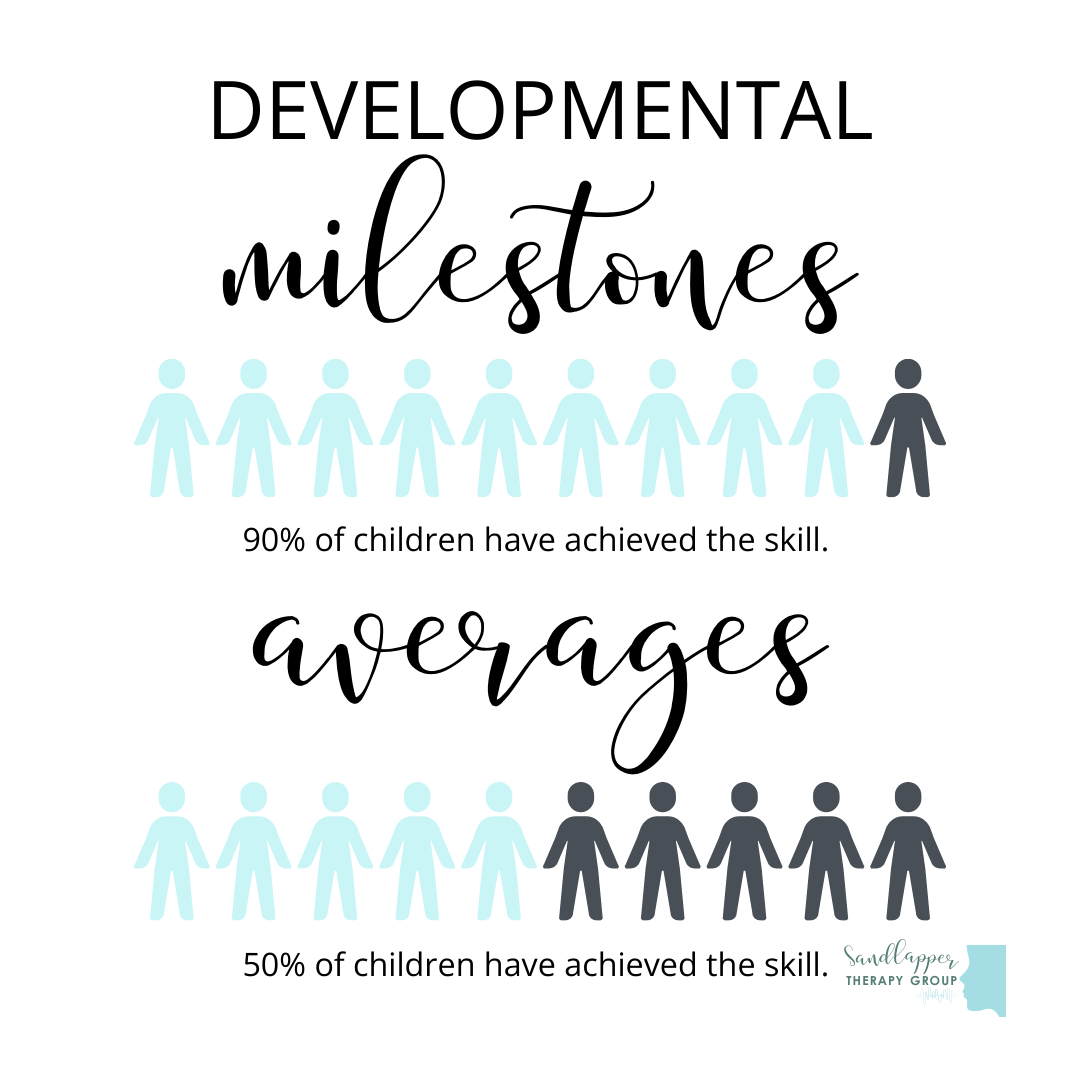
Developmental Milestones: Understanding Averages vs. Milestones
Confused about developmental averages vs. milestones? Learn what 50% and 90% benchmarks mean and when to seek a speech evaluation.
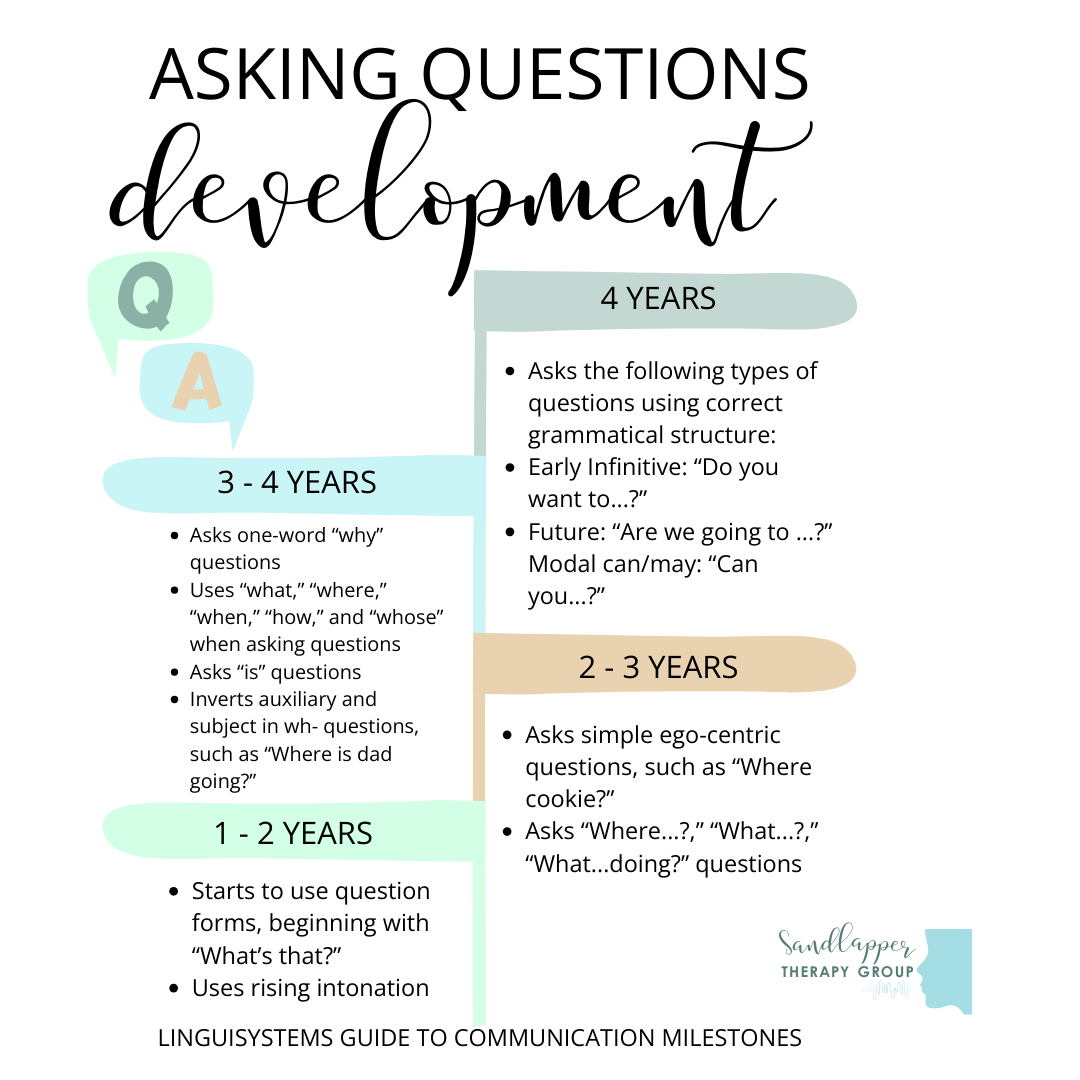
Asking Questions Development: When and How Children Learn to Ask Questions
Learn when children develop question-asking skills and how speech therapy supports WH-questions and grammar growth.
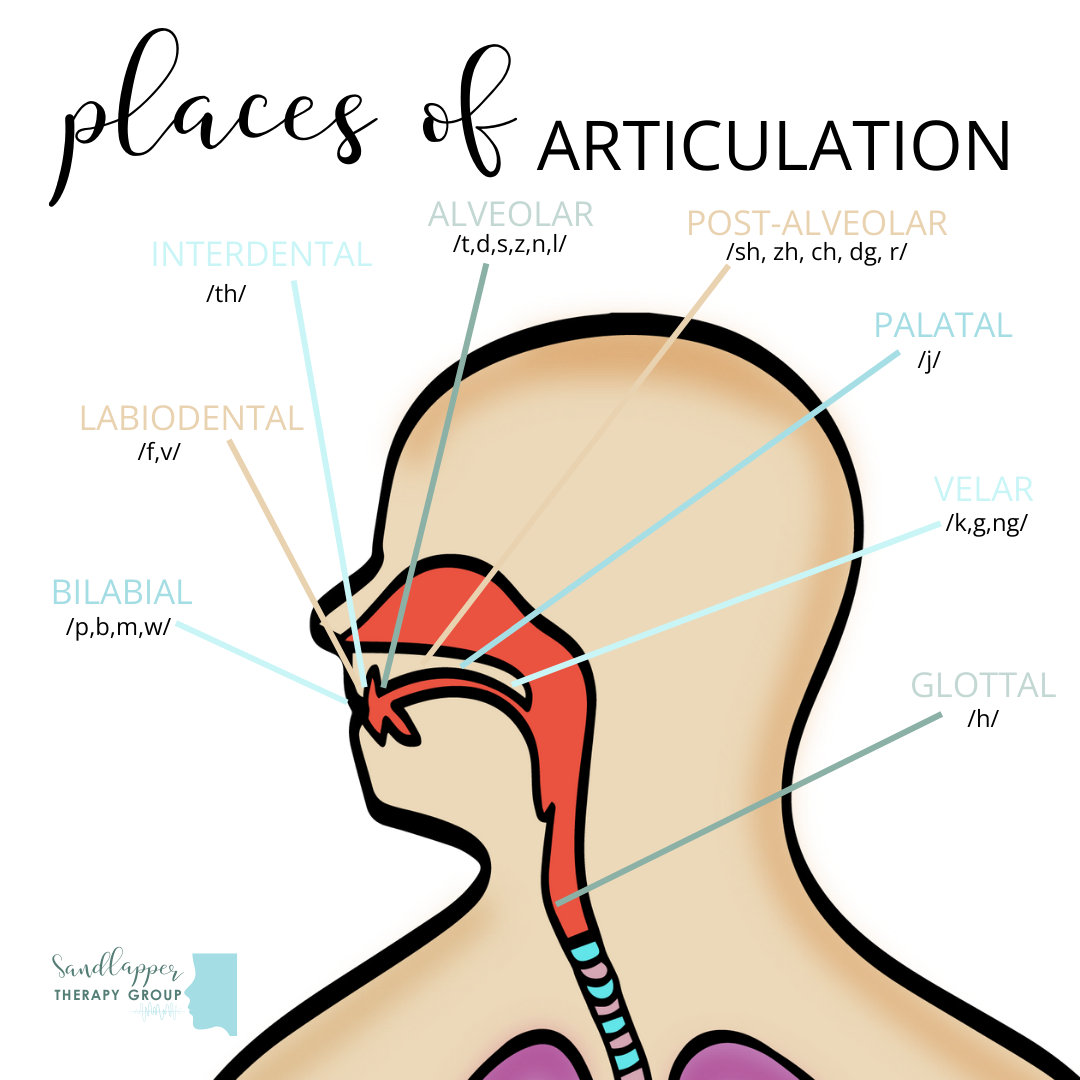
Places of Articulation: How Speech Sounds Are Made
Explore places of articulation, speech sound development, and when to seek an articulation evaluation.
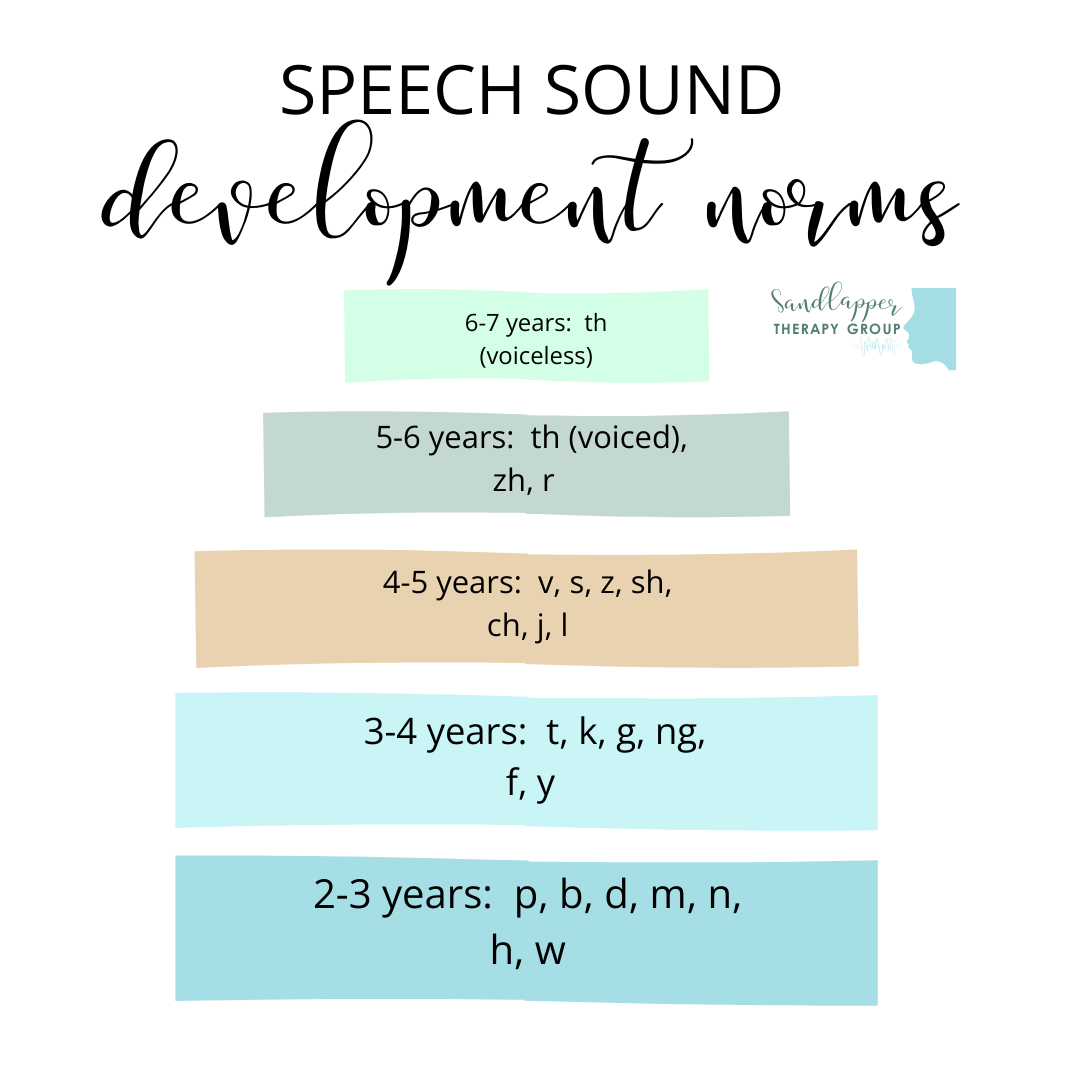
Speech Sound Development Norms: When Should Children Master Specific Sounds?
Explore speech sound development by age, articulation milestones, and when sound errors may signal a disorder.
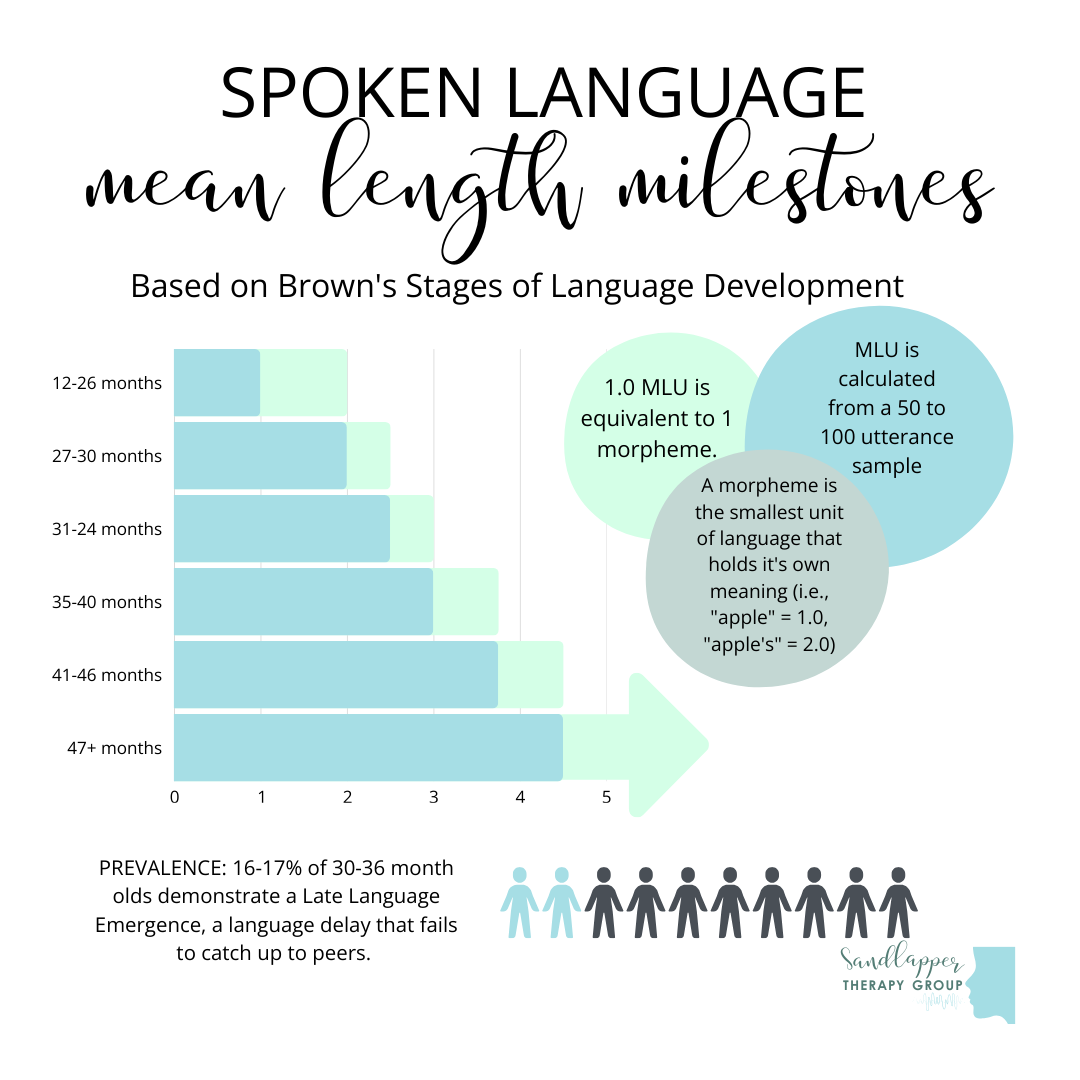
Spoken Language Mean Length Milestones: Understanding MLU in Early Language Development
Learn what Mean Length of Utterance (MLU) is and how sentence length milestones predict expressive language development.
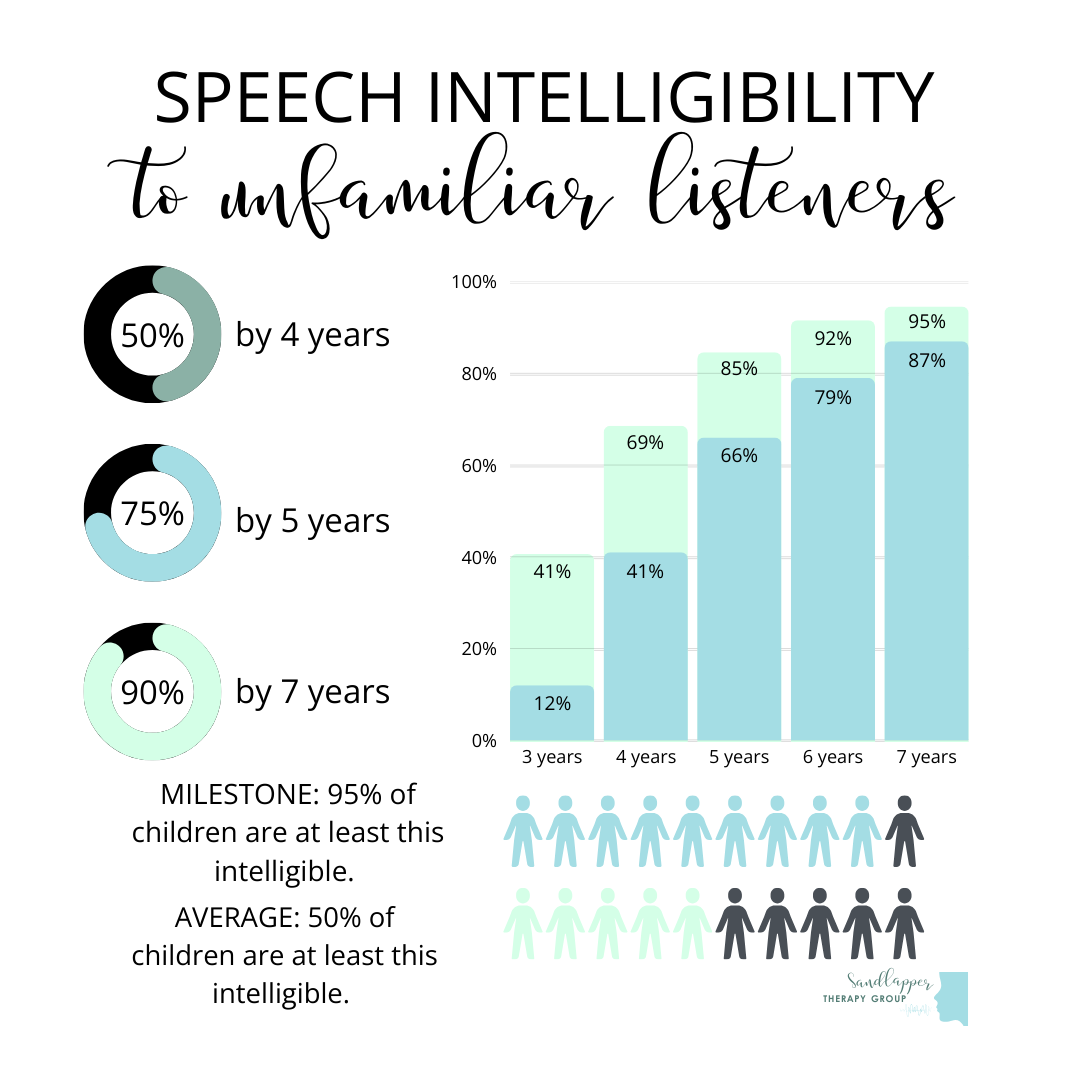
Speech Intelligibility to Unfamiliar Listeners
Is your child hard to understand? Learn speech intelligibility milestones and when to seek speech therapy for clarity concerns.
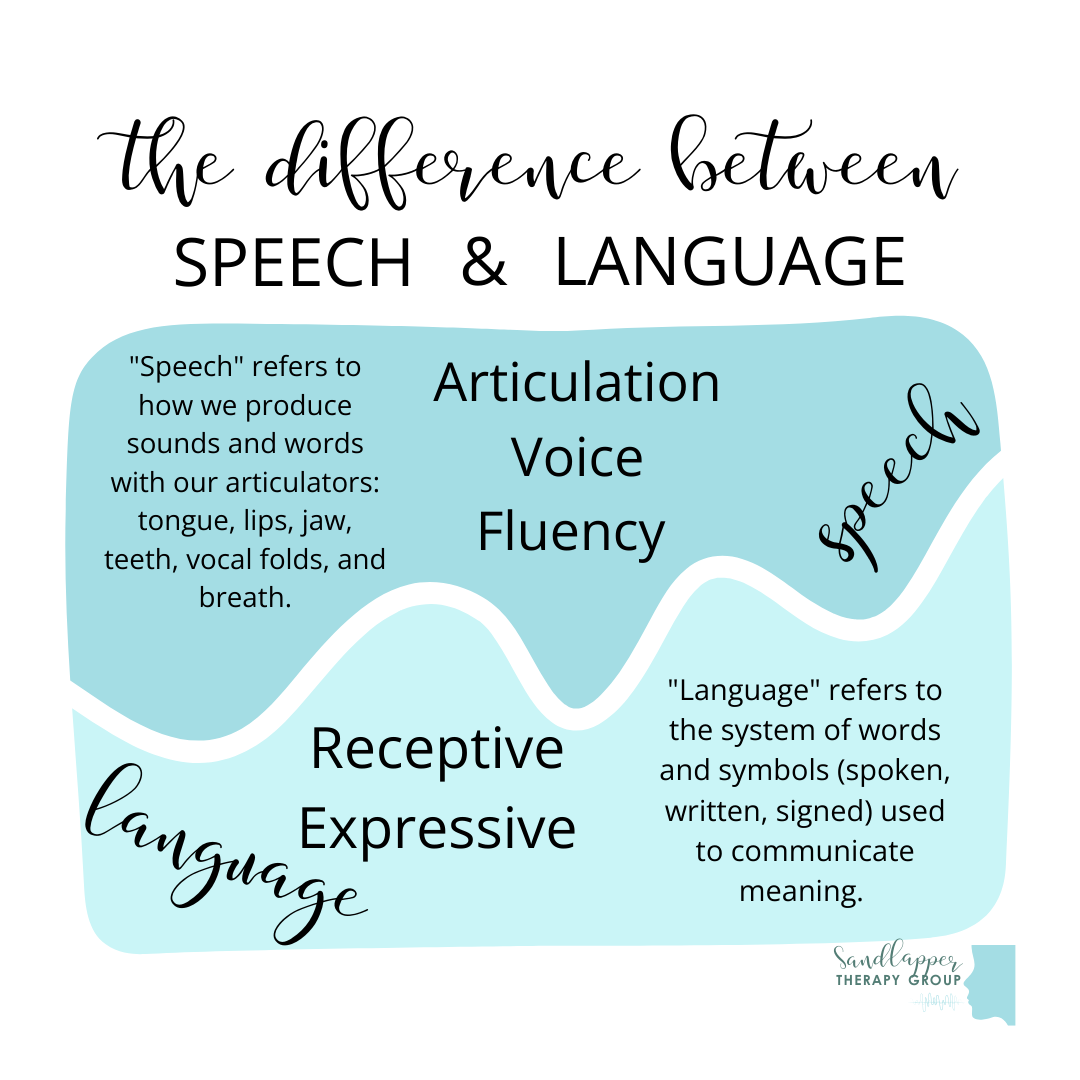
The Difference Between Speech and Language: What Parents Need to Know
Is it a speech delay or language delay? Learn the differences, signs to watch for, and how speech therapy can help.

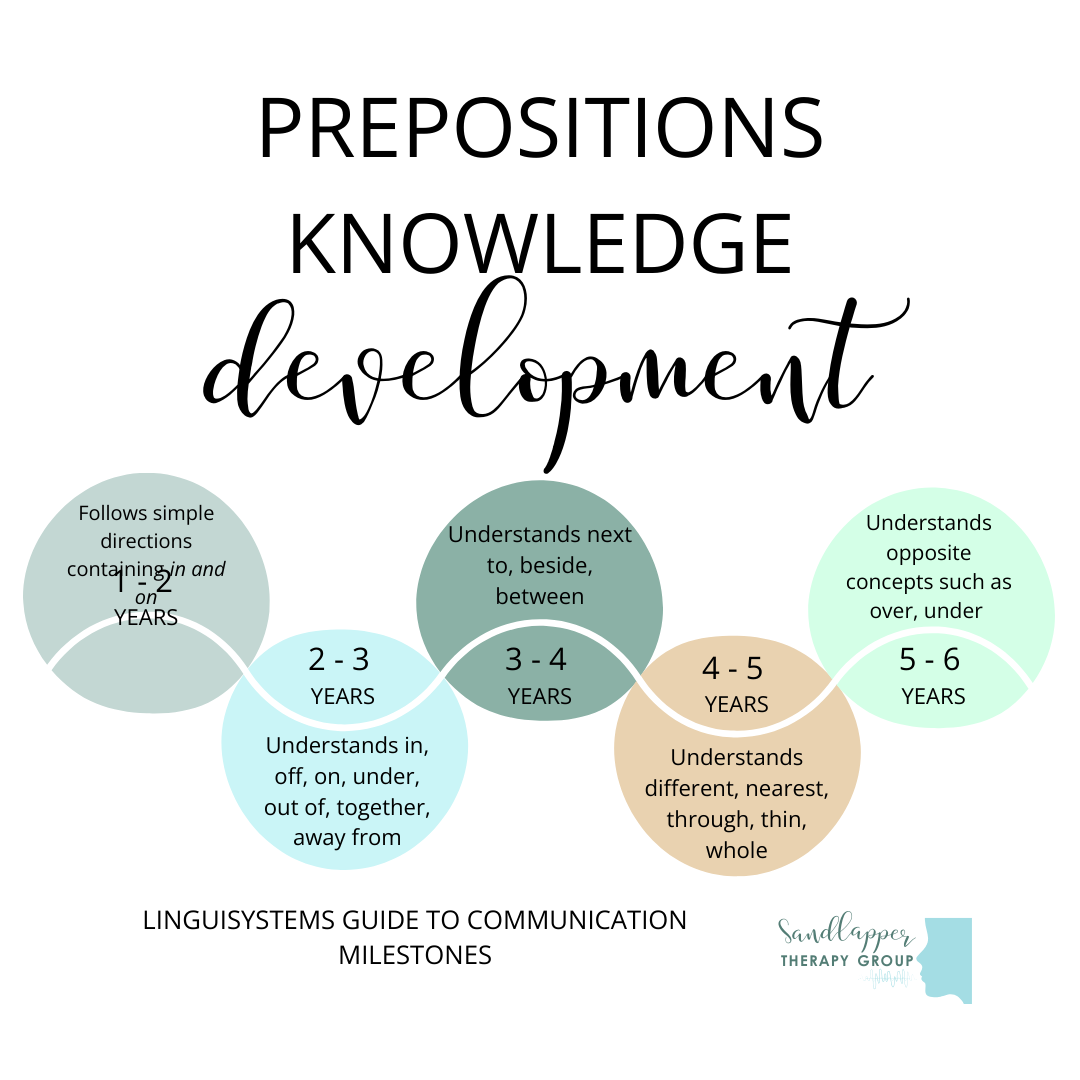

Speech Sound House
Speech Sound House: Imagine your mouth is like a house. Sounds don’t just come from nowhere—they’re made in specific rooms, with tools that need power, air, and timing to work just right. For children learning to speak clearly, understanding how their “speech house” works helps make tricky sounds feel a little more playful and a lot more manageable.
Resource Links
Explore links for articulation practice, language development, social communication, fluency, voice, and more. You’ll also find printable materials, interactive games, evidence-based strategies, and helpful guides to reinforce skills at home, in the classroom, or during therapy sessions.
-
Speech Therapy Materials on TpT
Explore a wide range of engaging, ready-to-use digital speech therapy materials available on Teachers Pay Teachers (TPT). These resources are designed by speech-language pathologists to support a variety of communication goals, including articulation, language development, social skills, fluency, and more.
-
ASHA (American Speech-Language-Hearing Association) is the national professional organization for speech-language pathologists, audiologists, and speech, language, and hearing scientists. It provides evidence-based resources, professional standards, certification, and advocacy to support effective communication and swallowing care. ASHA also offers valuable information for the public on speech, language, hearing, and related disorders across the lifespan.
-
Talk To Me Technologies is a leading provider of augmentative and alternative communication (AAC) solutions that help individuals with speech and language challenges communicate more effectively. The company specializes in speech-generating devices, communication software, and personalized support services for children and adults with conditions such as autism, cerebral palsy, stroke, and ALS.
-
At Levin & Perconti, we’ve developed a comprehensive toolkit focused on cerebral palsy, which is the most common motor disability in children. Caring for a child with cerebral palsy requires significant time, effort, and can have a considerable impact on a family’s financial well-being. Our toolkit is designed to assist families in finding the necessary support, making essential adjustments, and discovering pathways to help their child achieve a promising future.